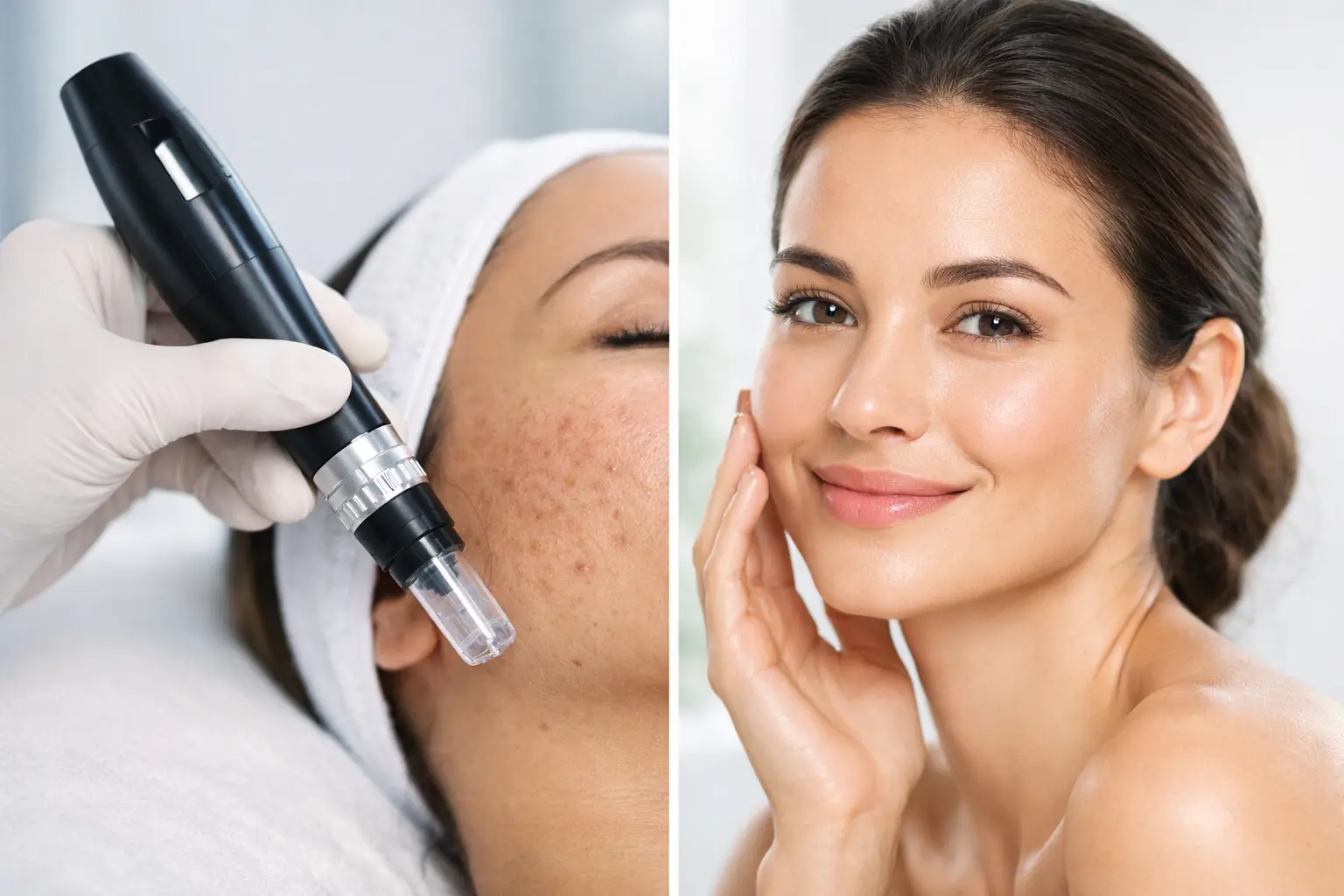
Acne may be gone, but uneven texture can keep catching the light long after a breakout has healed. If you are researching how to fade acne scars microneedling can be a practical at-home option for improving the look of certain indented scars over time. The key is not chasing an aggressive treatment. It is using controlled, consistent technique that supports your skin’s natural renewal process.
Microneedling does not erase every scar type, and it is not the right treatment for active acne or inflamed skin. But for many people with shallow to moderate textural scarring, it can help skin look smoother, more even, and more refined without the ongoing cost of frequent clinic appointments.
How Microneedling Helps Fade Acne Scars
Microneedling uses fine, sterile needles to create controlled microchannels in the skin. This response encourages the skin to produce collagen and elastin, the structural proteins that help support a firmer, smoother-looking surface. As collagen remodeling takes place, depressed scars may gradually appear less distinct.
It also improves the way topical skincare is absorbed immediately after treatment. A simple, hydrating serum applied to freshly treated skin can support comfort and recovery. This does not mean stronger products are better. Right after microneedling, your skin needs calming hydration, not exfoliating acids or other potentially irritating actives.
Results are gradual because collagen remodeling is gradual. You may notice a fresher glow within days, but meaningful changes in acne-scar texture usually develop across several treatment cycles. Think in months, not overnight transformations.
Which Acne Scars Can Improve With Microneedling?
Microneedling is most suitable for atrophic scars, which are indented scars caused by a loss of collagen during the healing process. Rolling scars and shallow boxcar scars often respond particularly well because they create broad areas of uneven texture.
Narrow, deep ice-pick scars are more challenging. A microneedling pen can still support overall skin texture, but these sharply defined scars may require a targeted professional approach for the most visible improvement. Raised scars, including hypertrophic scars and keloids, should not be treated at home with microneedling. The same caution applies to scars that are red, painful, changing, or not fully healed.
Dark marks left after breakouts are different from indented scars. Post-inflammatory hyperpigmentation can sometimes look like scarring, but it is primarily a pigment concern. Microneedling may support overall tone and product absorption, yet daily broad-spectrum sunscreen and a pigment-conscious skincare routine remain essential.
Start With Clear, Calm Skin
Do not microneedle through active pimples, cystic acne, open lesions, sunburn, eczema flares, cold sores, or irritated skin. Treating over inflammation can spread bacteria, prolong recovery, and increase the chance of unwanted discoloration.
Pause irritating skincare before your session. Retinoids, exfoliating acids, benzoyl peroxide, strong vitamin C formulas, and at-home peels can leave skin more reactive. The exact pause depends on the product and your skin sensitivity, but giving your skin several days of simplicity before treatment is a sensible approach. If you use prescription acne medication or have a skin condition, ask a dermatologist before beginning at-home microneedling.
Cleanliness is part of performance. Wash your hands, cleanse the treatment area with a gentle cleanser, and work on dry skin. Use a new, single-use sterile cartridge for every session. Never share cartridges, reuse a cartridge, or use one with bent needles or damaged packaging.
Choose a Conservative Needle Depth
Adjustable needle depth is one reason microneedling pens are more precise than one-size-fits-all rollers. Still, deeper is not automatically better. Your goal is controlled stimulation, not excess trauma.
For general at-home texture support, many users stay in a conservative range. Delicate areas such as the forehead and around the eyes require especially shallow settings, while thicker areas like the cheeks may tolerate somewhat more depth. Acne scars on the cheeks are often the area people want to treat most, but scar depth, skin sensitivity, and experience level should guide your settings.
If you are new to microneedling, begin at the lowest practical setting and assess your skin’s recovery. A treatment should create temporary, even redness. Pinpoint bleeding, significant swelling, prolonged burning, or soreness that worsens after treatment are signs to stop and reassess your technique or depth.
For deeper, established scarring, a licensed professional can advise whether in-office treatment is more appropriate. At-home devices offer exceptional convenience for a consistent skin-maintenance routine, but they should be used within a careful, consumer-safe approach.
A Controlled Technique Matters More Than Speed
Work in small sections so you can keep your passes even. Hold the skin gently taut where needed, especially around curved areas such as the cheeks and jawline. With a pen device, use light pressure and either a smooth gliding motion or a careful stamping technique, depending on the model instructions and treatment area.
Avoid repeatedly going over one scar in an effort to make it disappear faster. Over-treating can create inflammation, which is the opposite of what acne-prone or pigment-prone skin needs. One or two controlled passes are generally more valuable than multiple aggressive passes.
Use only products designed for post-treatment use while microneedling. Keep the formula simple, fragrance-free, and focused on hydration. Sterile hyaluronic acid-based fluids are a common choice because they provide slip and moisture without adding unnecessary active ingredients. Do not microneedle with makeup, facial oils, exfoliating serums, or products that are not intended to enter microchannels.
Aftercare Protects Your Progress
Your skin may look pink or feel warm after microneedling, much like a mild sunburn. This is expected for many users and should settle as the skin recovers. For the next 24 to 72 hours, prioritize a gentle cleanser, simple hydration, and a bland moisturizer if needed.
Avoid makeup for at least the first day when possible. Skip intense exercise, saunas, steam rooms, swimming pools, and direct sun exposure during the early recovery period. Heat, sweat, chlorine, and bacteria can all irritate freshly treated skin.
Sunscreen is non-negotiable once your skin can tolerate it. Use a broad-spectrum SPF 30 or higher every day, because UV exposure can deepen post-acne marks and make uneven texture more noticeable. If you are prone to hyperpigmentation, sun protection is one of the most effective ways to preserve the progress you are working toward.
Wait until redness and sensitivity have fully settled before returning to retinoids, acids, or other high-performance actives. If your skin stings when you apply a basic moisturizer, it is not ready for stronger products yet.
How Often Should You Microneedle Acne Scars?
Skin needs time to rebuild collagen. Treating too frequently does not speed up scar fading and can compromise your skin barrier. At-home sessions are typically spaced several weeks apart, with longer intervals for deeper settings or more sensitive skin.
A good rhythm depends on your needle depth, your recovery, and your history of irritation or pigmentation. Take clear photos in the same lighting before starting and once a month afterward. Texture changes are subtle from week to week, while consistent photos can reveal progress that a daily mirror check misses.
Many people assess results after a series of treatments rather than after one session. If you are not seeing improvement after several carefully spaced sessions, or if scars are severe, a dermatologist can help you decide whether combination treatment would offer better value and results.
Common Mistakes That Slow Results
The most common mistake is treating active acne. The next is using too much depth too soon. Both can create unnecessary inflammation and setbacks.
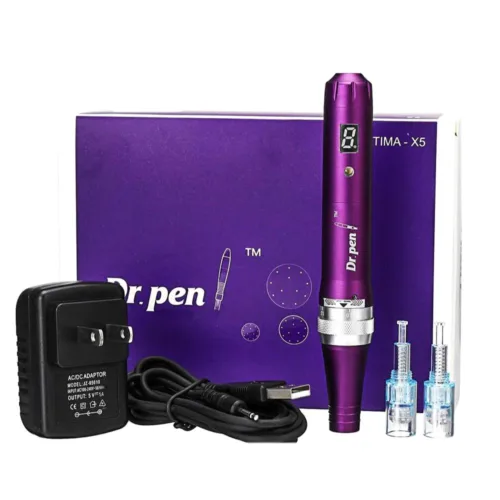
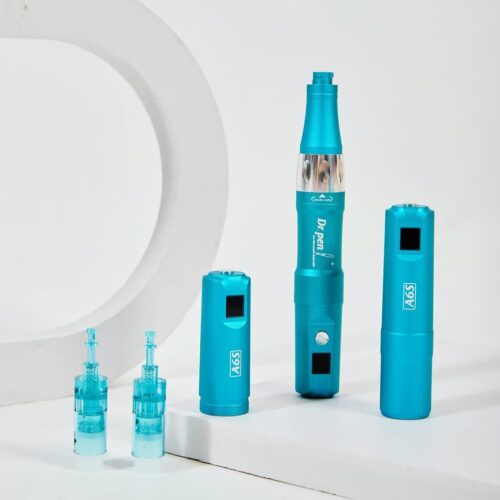
Another issue is poor cartridge hygiene. Authentic, compatible disposable cartridges help ensure the needles are sharp, sterile, and properly fitted to the device. Dr. Pen Official Store offers model-specific cartridges designed to support precise, consistent treatments, but every user should confirm compatibility before beginning a session.
Finally, do not overlook the basics between treatments. Gentle cleansing, barrier-supporting moisture, acne management, and daily sunscreen make microneedling results easier to maintain. A device can support your routine, but it cannot replace skin care habits that prevent new breakouts and protect healing skin.
The most rewarding results come from patience and precision. Treat your scars with the same consistency you would bring to any long-term skincare goal, and let each well-planned session give your skin time to do its work.