A microneedling pen is only as precise as the cartridge attached to it. Authentic Dr. Pen cartridges are designed to work with their specified device models, helping you maintain consistent needle movement, dependable depth control, and a cleaner at-home treatment routine. For anyone focused on smoother texture, visible acne scars, fine lines, or uneven-looking tone, choosing the right replacement cartridge is not a minor detail. It is part of protecting your skin and getting the most from every session.
Why Authentic Dr. Pen Cartridges Matter
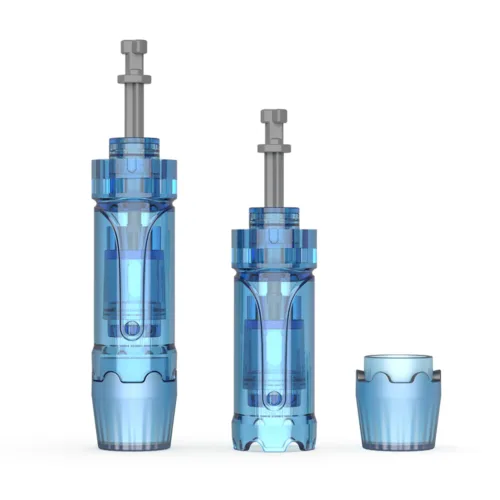
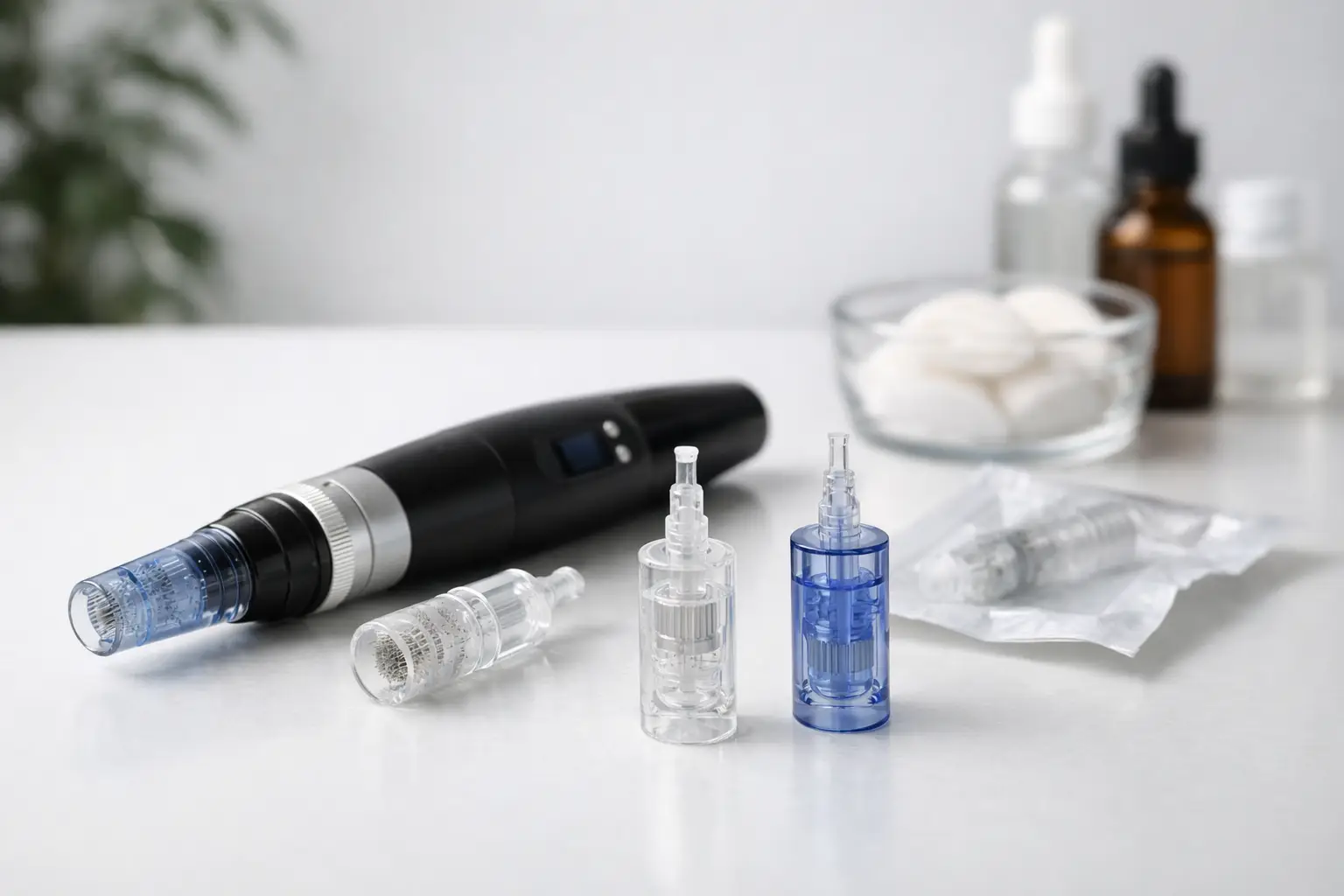
A cartridge is the part of the device that comes into direct contact with the skin. It houses the needle configuration, connects to the pen, and supports the controlled vertical stamping action that makes microneedling different from dragging a traditional roller across the face.
When a cartridge is correctly made for a compatible Dr. Pen model, it should fit securely and operate as intended with the pen’s speed and adjustable-depth settings. That fit matters. A loose, poorly made, or incompatible cartridge can compromise control during treatment and make a carefully planned skincare session feel unpredictable.
Authentic, model-specific cartridges also support a more hygienic routine. Microneedling cartridges are intended for single use. Starting each session with a new, sealed cartridge helps reduce avoidable contamination concerns and removes the guesswork of trying to clean and reuse a component that should be disposed of after treatment.
For at-home users, this is where professional-style results begin: with reliable equipment, thoughtful technique, and a fresh cartridge every time.
Match the Cartridge to Your Dr. Pen Model
Dr. Pen cartridges are not universal. A cartridge made for an M8 or M8S device may not fit an A11, A20, or Q2 pen, even when the connection appears similar at a glance. The safest approach is straightforward: identify the exact device family and purchase cartridges specifically labeled for that model.
Check the name printed on your pen, your original product packaging, or the cartridge type supplied with your device. If you are replacing an older supply, compare the connection style and the designated model before opening anything. Selecting by needle count alone is not enough, because a 16-pin cartridge for one model is not automatically compatible with another.
A properly matched cartridge should attach without forcing it. Never try to modify the connection, press a cartridge into place aggressively, or use an adapter that was not intended for your device. Saving a few dollars on an uncertain match is not worth sacrificing treatment precision or skin safety.
If you have recently upgraded your pen, treat cartridges as a fresh purchase category. Your previous stock may no longer be compatible, even if the device looks similar.
A Secure Fit Supports Better Control
Microneedling results depend on controlled, even contact. The cartridge needs to remain stable while the pen moves across different areas of the face, including the forehead, cheeks, chin, and more delicate zones around the nose.
With a secure, compatible connection, you can focus on technique instead of worrying about the attachment. Work in small sections, keep the skin gently taut where appropriate, and use light, controlled passes rather than pressure. More force is not a shortcut to better results. Consistency and careful settings are what support a refined treatment experience.
Choose Needle Configurations by Skin Goal
After compatibility, needle configuration is the next decision. Different pin counts are designed for different treatment preferences, skin areas, and concerns. There is no one cartridge that is best for every person or every session.
Lower pin-count options, such as 12-pin cartridges, are often chosen by users targeting the appearance of more defined acne scars, texture irregularities, or deeper-looking lines. They can offer focused treatment, but they also require a conservative approach, especially for those who are newer to at-home microneedling.
Medium configurations, including 16-pin or 18-pin options where available for a particular model, can be a versatile choice for general texture refinement and overall skin rejuvenation. They are commonly considered for full-face routines when users want balanced coverage without making treatment feel overly aggressive.
Higher pin-count configurations, such as 36-pin or 42-pin cartridges, typically provide broader surface coverage. They can suit users focused on a more polished-looking complexion, the appearance of enlarged pores, or improved serum application. Because more needles contact the skin at once, proper pressure and depth selection still matter.
Nano cartridges are different from traditional needle cartridges. They are generally used for superficial product application and a temporary glow-focused treatment rather than for the same type of collagen-induction approach associated with microneedling needles. They can be a useful option before an event or as part of a gentle skincare routine, but they should not be viewed as interchangeable with pin cartridges.
Your choice should reflect your current skin condition, comfort level, and treatment area. A configuration that feels appropriate for the cheeks may not be the right choice for the upper lip or around the eyes. Delicate areas call for extra caution and shallower settings.
What to Look for Before You Use a Cartridge
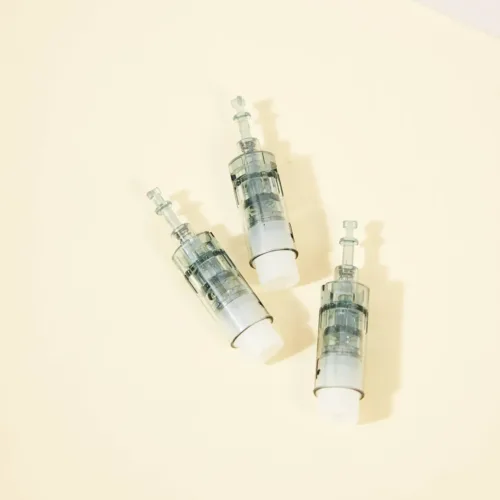
The best time to identify a cartridge issue is before it touches your skin. Examine the packaging first. A new cartridge should arrive individually packaged and sealed. If the seal is damaged, the packaging is visibly compromised, or the cartridge appears dirty or damaged, do not use it.
Once opened, inspect the cartridge housing and needle area under good lighting. The unit should look clean and intact, with no bent components, cracks, loose parts, or irregularities. Attach it to the pen only when you are ready to begin your treatment.
It also helps to keep your setup simple and intentional. Cleanse the treatment area thoroughly, begin with clean hands, and use skincare products suited to microneedling. Avoid applying potentially irritating actives immediately before treatment unless you have received appropriate professional guidance. Skin that is sunburned, actively irritated, infected, or experiencing an inflamed breakout should be given time to recover first.
At-home microneedling is not appropriate for every skin condition or every treatment goal. If you have a history of poor wound healing, active skin disease, blood-clotting concerns, or are unsure whether microneedling is suitable for you, speak with a qualified healthcare professional before proceeding.
Use Once, Then Replace
Disposable cartridges are made for one treatment on one person. They should never be shared, reused, or saved for a later session, even if they appear clean. Cleaning the outer housing does not restore the needle cartridge to a fresh, single-use condition.
After treatment, remove the cartridge carefully and dispose of it according to local guidance for sharp personal-care items. Then clean the exterior of your device as directed for your model. Keeping the pen body maintained and keeping a supply of fresh compatible cartridges on hand makes it easier to stay consistent without cutting corners.
Treatment frequency depends on your needle depth, cartridge choice, skin tolerance, and the concern you are addressing. More frequent is not always more effective. Your skin needs recovery time, particularly after deeper treatments. A measured schedule gives you a better chance to assess how your skin responds and adjust responsibly.
Build a Cartridge Routine Around Your Skin
The strongest at-home microneedling routines are not built around the highest setting or the most intensive cartridge. They are built around repeatable care. Start conservatively, use authentic model-matched cartridges, and pay attention to how your skin looks and feels in the days following each treatment.
Dr. Pen Official Store customers often choose to keep more than one compatible needle configuration available, using a broader option for general facial maintenance and a more targeted option only when their experience and skin needs call for it. That flexibility can be valuable, but it should always be paired with thoughtful depth selection and realistic expectations.
Visible improvement takes consistency, not one aggressive session. Give your skin the clean, controlled foundation it deserves: a compatible pen, a fresh cartridge, and a routine that respects recovery as much as results.